
How Emergency Angioplasty Saves Lives in Heart Attacks
A heart attack is one of the most urgent and life-threatening medical emergencies a person can experience.
When blood flow to the heart suddenly stops, every passing minute leads to increasing damage to the heart muscle. This is why emergency angioplasty—often called primary PCI—has become a lifesaving procedure performed in advanced cardiac hospitals.
For people seeking Coronary Angioplasty Surgery in Hyderabad, understanding how this procedure works can help them make informed decisions during emergencies.
Under the expert care of specialists like Dr. Bhishma Chowdary—widely recognized as the Best Doctor for TAVR Surgery in Hyderabad—patients receive quick, precise, and life-saving interventions that dramatically improve survival and recovery.
What Happens During a Heart Attack?
To understand why emergency angioplasty is so powerful, it is important to know what a heart attack really is.
A heart attack, or myocardial infarction, occurs when a coronary artery supplying blood to the heart becomes suddenly blocked.
Most often, this happens because a cholesterol-filled plaque inside the artery ruptures. When this rupture occurs, a blood clot quickly forms on top of it and completely blocks the artery.
Without oxygen-rich blood, the heart muscle begins to die within minutes. Doctors often emphasize a phrase: “Time is muscle.” The longer the artery stays blocked, the more heart muscle is permanently damaged.
Rapid treatment is essential for survival, and this is exactly where emergency angioplasty comes in as one of modern medicine’s greatest achievements.
What Is Emergency Angioplasty?
Emergency angioplasty is a minimally invasive procedure performed during a heart attack to quickly open the blocked artery and restore blood flow.
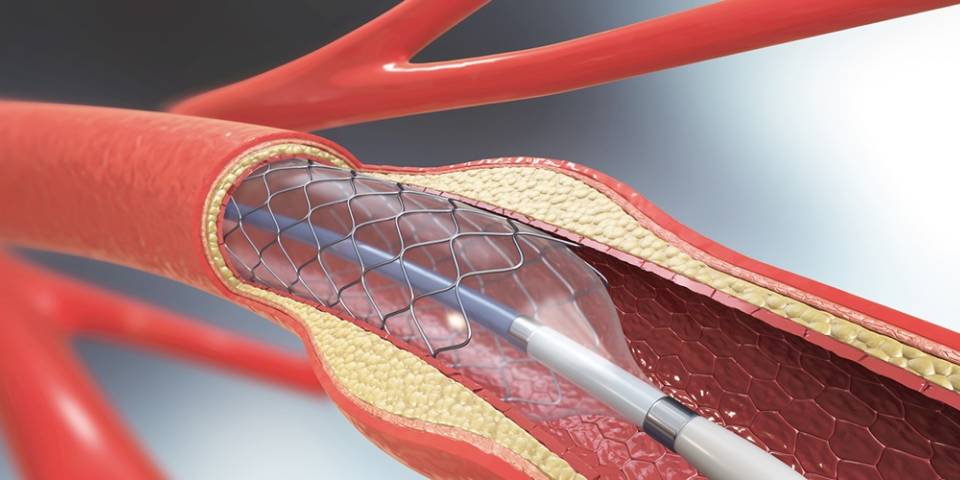
It involves guiding a thin flexible tube called a catheter through an artery in the wrist or groin and directing it toward the blocked artery in the heart.
Once positioned correctly, a small balloon at the tip of the catheter is inflated to open the blockage. After this, a stent—an expandable metallic mesh tube—is placed inside the artery to keep it open permanently.
The entire procedure is done under local anaesthesia, and patients remain awake but comfortable.
In hospitals where Coronary Angioplasty Surgery in Hyderabad is performed routinely, this procedure is available at all hours because a heart attack can happen at any time.